10 Signs You May Need Wisdom Teeth Removal
Wisdom teeth have a way of staying quiet for years, then making themselves known at the worst possible time. A college student wakes up before exams with a swollen jaw. A working parent notices food getting trapped behind the last molar and cannot quite clean it. Someone in their late twenties, long past the age when they expected dental surprises, suddenly develops pressure in the back of the mouth that radiates toward the ear. These are familiar stories in dental offices, and they often lead to the same question: is it time to consider Wisdom Teeth Removal?
The answer is not always immediate, and it should not be automatic. Some wisdom teeth erupt normally, function well, and never need treatment. Others stay buried under the gums or jawbone and create problems gradually. The challenge is that symptoms can be subtle at first. Patients often assume the discomfort is temporary, or they adapt to it without realizing the issue is progressing.
Knowing the warning signs helps you seek care before a small irritation becomes a more complicated infection, a damaged neighboring tooth, or a difficult recovery. Here are ten signs that may mean your wisdom teeth deserve a closer look.
Why wisdom teeth cause so many problems
Wisdom teeth, also called third molars, are the last permanent teeth to develop. They usually appear in the late teens or early twenties, though timing varies. By then, the jaw has already made room for every other adult tooth. In many people, there simply is not enough space left.
That lack of space creates a range of outcomes. A wisdom tooth may emerge only partway, leaving a flap of gum tissue over it. It may tilt forward into the second molar. It may remain trapped below the surface, what dentists call impacted. Even when a wisdom tooth seems to be “coming in normally,” its far-back position makes it harder to clean, which increases the risk of decay and gum problems.
Not every case is urgent. Some wisdom teeth can be monitored for years with routine exams and X-rays. But certain symptoms should move the conversation from watchful waiting to action.
1. Persistent pain at the back of the mouth
The most obvious sign is pain, but the details matter. A mild, brief ache during eruption can happen even when things are progressing reasonably well. The concern rises when pain becomes persistent, sharp, throbbing, or recurrent.
Patients often describe it as a deep pressure behind the last visible molar. Sometimes it feels like something is trying to push through the gum. In other cases, the pain comes in waves, flaring for a few days and then fading just enough to be ignored. That pattern is common with partially erupted wisdom teeth, where gum tissue gets irritated over and over.
Pain is not a diagnosis by itself. It can also come from a cavity, grinding, sinus pressure, or a cracked tooth. Still, when the pain is specifically located at the very back of the mouth, wisdom teeth move high on the list of likely causes. If over the counter pain relievers are becoming part of your routine, it is time to have that area evaluated.
2. Swollen, tender, or bleeding gums around the last molars
Healthy gums do not usually become puffy and sore in one isolated spot without a reason. When the gum tissue behind the second molar looks red, feels tender, or bleeds while brushing, a partially erupted wisdom tooth is a common culprit.
This condition often develops because bacteria and food debris collect under a small gum flap. That trapped material irritates the tissue and may trigger a localized infection. In practice, many patients say they first noticed it while flossing, when the area bled more than expected, or while chewing, when the gum felt pinched and swollen.
Swelling near the wisdom tooth may seem minor at first, but it can progress quickly. Once the tissue is inflamed, cleaning becomes uncomfortable, which allows more plaque and debris to remain. That cycle rarely resolves on its own for long. Professional cleaning, irrigation, or antibiotics may help temporarily, but if the anatomy keeps causing the same problem, Wisdom Teeth Removal may be the more lasting solution.
3. Repeated infections or a bad taste in the mouth
One of the clearest red flags is recurrent infection around a wisdom tooth. Dentists often see this with partially erupted lower wisdom teeth, where there is just enough opening for bacteria to enter, but not enough access to keep the area truly clean.
You may notice a foul taste that returns even after brushing. Your breath may seem worse than usual despite good hygiene. In some cases, there is drainage from the gum, or a subtle but unpleasant odor that seems to come from one side of the mouth. Some patients report that pressing on the gum releases fluid or briefly relieves pressure.
These infections can be localized, but they should not be shrugged off. Repeated inflammation can damage surrounding tissue, cause significant discomfort, and occasionally spread. If you have had more than one episode of infection in the same area, that pattern matters as much as the current symptoms. A tooth that repeatedly causes trouble is often a tooth that needs to come out.
4. Jaw stiffness or trouble opening your mouth
Wisdom tooth problems do not always feel like “tooth pain.” Sometimes the first sign is that your jaw feels stiff, especially in the morning or while trying to eat something firm. You may notice that opening wide for a yawn, dental visit, or sandwich suddenly feels limited.
This happens because inflammation around the back of the jaw can irritate the surrounding muscles and tissues. If there is infection, nearby structures may become involved enough to make chewing uncomfortable or opening difficult. Lower wisdom teeth are more likely to produce this kind of symptom because of their location near the angle of the jaw.
A little temporary soreness after clenching or a long dental appointment is not unusual. Ongoing stiffness tied to swelling, tenderness, or pain near the wisdom tooth area deserves attention. Dentists take reduced mouth opening seriously because it can signal advancing inflammation that is becoming harder to manage conservatively.
5. Swelling in the cheek or along the jawline
When a wisdom tooth issue becomes visible from the outside, it has usually moved beyond mild irritation. Cheek swelling, fullness near the jawline, or tenderness when touching the side of the face can point to infection or significant inflammation around an impacted or partially erupted wisdom tooth.
This is the point where many people stop hoping it will pass. The face feels different, and sometimes looks different in photos or the mirror. The area may be warm, and chewing on that side may feel awkward or painful. If the swelling is accompanied by fever, difficulty swallowing, or increasing pain, prompt care is important.
Swelling can come and go, which makes people think the issue has resolved. What often happened instead is that the pressure temporarily eased while the underlying source remained. A wisdom tooth that has caused facial swelling once can easily do it again, often at a less convenient moment.
6. Food constantly gets trapped behind your last molars
This sign sounds minor, but in real life it is one of the most telling. Patients usually explain it in practical terms: “I can get everything else clean, but food always packs into that one corner.” That corner is often where a wisdom tooth is partially erupted or angled awkwardly against the second molar.
The problem is not only annoyance. Repeated food trapping creates the perfect environment for bacteria. Even Wisdom Teeth Removal diligent brushing and flossing may not reach the area effectively, especially if the tooth is partly covered by gum tissue or erupting at an angle. Over time, this can lead to cavities, inflamed gums, and chronic bad breath.
Dentists pay attention when a patient has good overall oral hygiene but persistent trouble keeping the wisdom tooth area clean. In those cases, the anatomy itself may be the problem. If the location or position of the tooth makes proper cleaning unrealistic, removal often prevents larger problems later.
7. Decay in the wisdom tooth or the tooth next to it
Cavities in wisdom teeth are common, largely because of access. They sit so far back that even motivated brushers struggle to reach them thoroughly. But the bigger concern, in many cases, is not the wisdom tooth itself. It is the damage that wisdom teeth can cause to the second molar right in front of them.
An impacted or tilted wisdom tooth may lean against that neighboring molar and create a trap for plaque and bacteria. This can lead to decay at the contact point, a place that is difficult to restore and easy to miss until the cavity is already substantial. I have seen many cases where a patient felt only mild discomfort from the wisdom tooth, but the real damage was developing silently on the healthy tooth they wanted to keep for life.
If X-rays show decay on a wisdom tooth with poor long-term function, dentists often recommend removal rather than filling it. If the wisdom tooth is threatening the second molar, the case for extraction becomes even stronger. Saving the better tooth usually takes priority.
8. Headaches, earaches, or pressure that seems hard to place
Not every headache comes from wisdom teeth, and not every earache is an ear problem. Still, discomfort from impacted or erupting third molars can radiate in ways that confuse people. The back of the jaw shares space and nerve pathways with structures that can make pain feel broader than it is.
Patients sometimes report a dull ache near the temple, a pressure around the ear, or soreness that seems to travel along the jaw. They may visit their primary care physician or even suspect sinus trouble before a dental exam identifies the source. This is especially true when the tooth is impacted under the gum and the pain is not obviously “tooth-shaped.”
The key is pattern. If headaches or ear pressure repeatedly coincide with tenderness in the back of the mouth, chewing discomfort, or gum swelling near the wisdom teeth, those symptoms may be connected. A dental exam and imaging can sort out whether the third molars are involved or whether another cause is more likely.
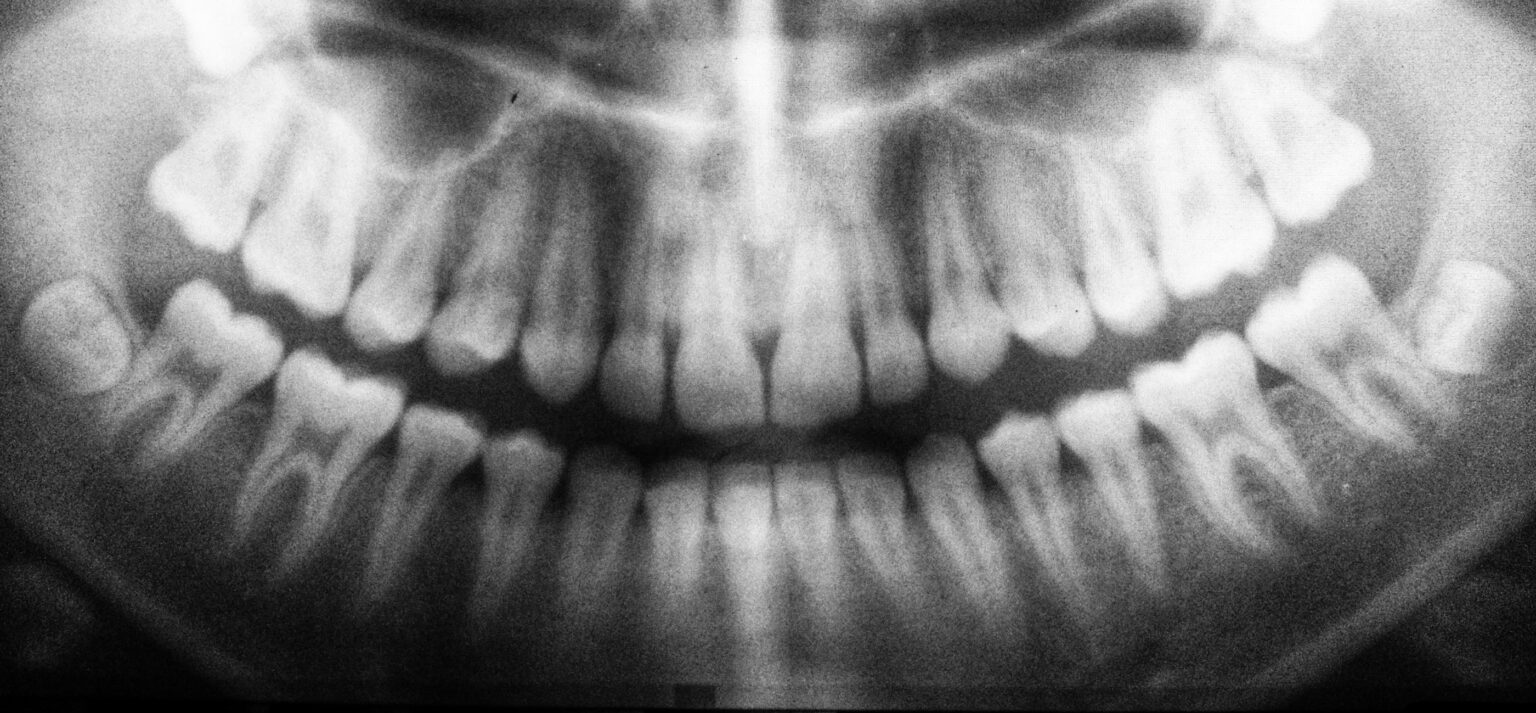
9. Your dentist sees crowding, impaction, or damage on X-rays
Some of the strongest signs are the ones you cannot feel yet. Wisdom teeth often cause concern because of what they look like on imaging, not because of current pain. A tooth may be growing sideways, pressing into the root of the second molar, or sitting in a position where eruption is unlikely and future infection is probable.
This is where judgment matters. Not Wisdom Teeth Removal every impacted wisdom tooth must come out immediately. Some remain stable and symptom-free for years. Others show warning signs that experience has taught clinicians not to ignore. Those may include repeated inflammation, bone loss near the second molar, cyst-related changes, or a position that makes hygiene nearly impossible.
Age matters too. In general, younger patients often heal faster after Wisdom Teeth Removal because the roots may be less fully formed and the bone somewhat more forgiving. That does not mean older adults cannot do well, because they often do, but it can change the balance of risks and benefits. If your dentist or oral surgeon points to a developing issue on an X-ray, it is worth taking seriously even if the area feels quiet at the moment.
10. You keep treating the same problem over and over
This last sign is less about one symptom and more about the pattern across time. If you have already had antibiotics for the area, had the gums cleaned around it, changed your brushing habits, and still find yourself dealing with the same back-tooth trouble every few months, the wisdom tooth may be the recurring source.
Temporary relief can be misleading. Rinses help. Antibiotics help when infection is present. Better home care helps. But if the shape, angle, or partial eruption of the tooth keeps creating the same conditions, the problem tends to return. Patients often know this before they say it out loud. They start planning around flare-ups. They avoid chewing on one side. They keep pain medication nearby “just in case.”
When a tooth repeatedly disrupts normal life, the practical question changes. It is no longer only “Can this be managed?” It becomes “Is ongoing management the best plan?” Quite often, it is not.
When symptoms may not mean removal is necessary
It is worth saying plainly that not every uncomfortable wisdom tooth needs extraction right away. Some erupting teeth cause short-term gum tenderness that settles once they are fully in position. Some impacted teeth remain buried and harmless. Some patients have wisdom teeth that are awkward but manageable with consistent hygiene and monitoring.
That is why a proper exam matters more than self-diagnosis. The decision usually depends on several factors together: symptoms, gum health, decay risk, tooth position, age, overall medical history, and what imaging shows beneath the surface. A patient with mild pressure but healthy tissues and favorable eruption may be watched. Another with the same pressure and a tilted tooth damaging the molar ahead of it is a different story.
This is also where second opinions can be useful, especially if the recommendation is not urgent and you want clarity on the trade-offs.
What to expect if removal is recommended
For many patients, the idea of Wisdom Teeth Removal sounds worse than the reality. The procedure itself is routine for oral surgeons and many general dentists, though the level of difficulty varies widely. A fully erupted upper wisdom tooth can be straightforward. A deeply impacted lower tooth near important structures can require more planning and surgical skill.
Your clinician will usually discuss anesthesia options, expected recovery time, and case-specific risks. Most people need a few days of lighter activity and some swelling control. Soreness is expected. Severe pain, increasing swelling after the first few days, fever, or trouble swallowing are not typical and should be reported.
A few practical steps make recovery easier:
- Follow the aftercare instructions exactly, especially for bleeding control and oral hygiene.
- Stick to soft foods early on, and avoid anything that can irritate the sockets.
- Use cold packs during the first day if your surgeon recommends them.
- Take prescribed or recommended medications on schedule rather than waiting for pain to build.
- Keep your follow-up appointment if one is advised.
Beyond recovery, the real benefit is often peace of mind. Once a troublesome wisdom tooth is gone, the cycle of recurring pain, swelling, food trapping, and emergency appointments usually ends with it.
The best time to get checked
The best time is not when the pain becomes unbearable. It is when a pattern starts to emerge. Maybe you have had two episodes of swelling in six months. Maybe there is a weird taste at the back of the mouth that keeps returning. Maybe your dentist has been “watching” those teeth for years and the latest X-ray shows a change.
Wisdom tooth problems rarely improve because they are ignored. They improve because the cause is identified and managed appropriately. Sometimes that means observation. Sometimes it means cleaning and closer follow-up. And sometimes it means scheduling removal before the issue becomes more painful, more expensive, or more disruptive than it needed to be.
If any of these ten signs sound familiar, a focused dental exam is the next sensible step. You do not need to assume the worst. You do need a clear look at what those third molars are doing, and what they may do next.
Oxnard Dentistry
1730 E Gonzales Rd, Oxnard, CA 93036, United States
+1 805-307-8731
FAQ About Wisdom Teeth Removal
How painful is it to remove a wisdom tooth?
Local anesthetic numbs the area during extraction. Pressure may still be noticeable; tell the dentist if you feel pain. Soreness and swelling afterward are common. Follow the pain-control instructions provided for your situation.
How long is recovery for wisdom teeth extractions?
Recovery varies with the tooth position and complexity of the extraction. Some people resume routine activities quickly, while others need several days of rest. Soreness, swelling and jaw stiffness can last up to two weeks. Follow your clinician's aftercare and activity advice.
What are the risks of wisdom tooth removal?
Possible complications include dry socket, infection, persistent bleeding and changes in sensation from nearby nerve injury. Your dentist or oral surgeon should explain your individual risks before treatment. Seek prompt dental advice for bleeding that will not stop, fever, or severe or worsening pain and swelling.